
+8613879493058
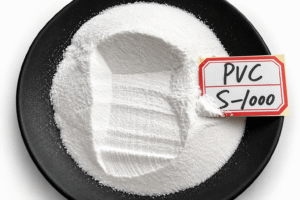
Sinopec PVC resin is manufactured primarily through advanced suspension polymerization technology, ensuring consistent quality, stable performance, and broad application versatility. This brand of PVC resin serves as a reliable raw material for both rigid and flexible plastic products across construction, packaging, electrical, automotive, and consumer goods industries.
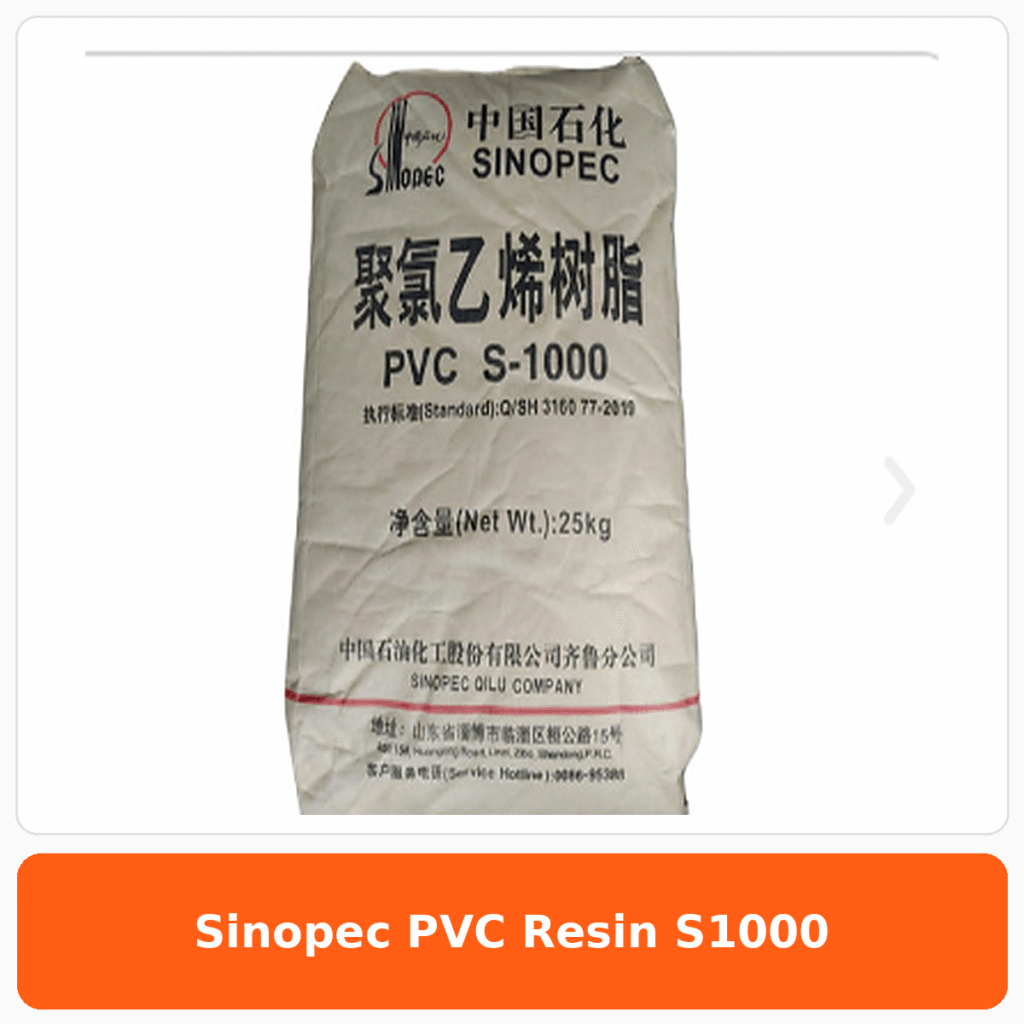
Fengbai can supply a variety of Sinopec PVC resin grades to meet different processing methods and application requirements. The main grades include PVC S-700, PVC S-800, PVC S-1000, and PVC S-1300. Notably, their properties and applications differ accordingly.
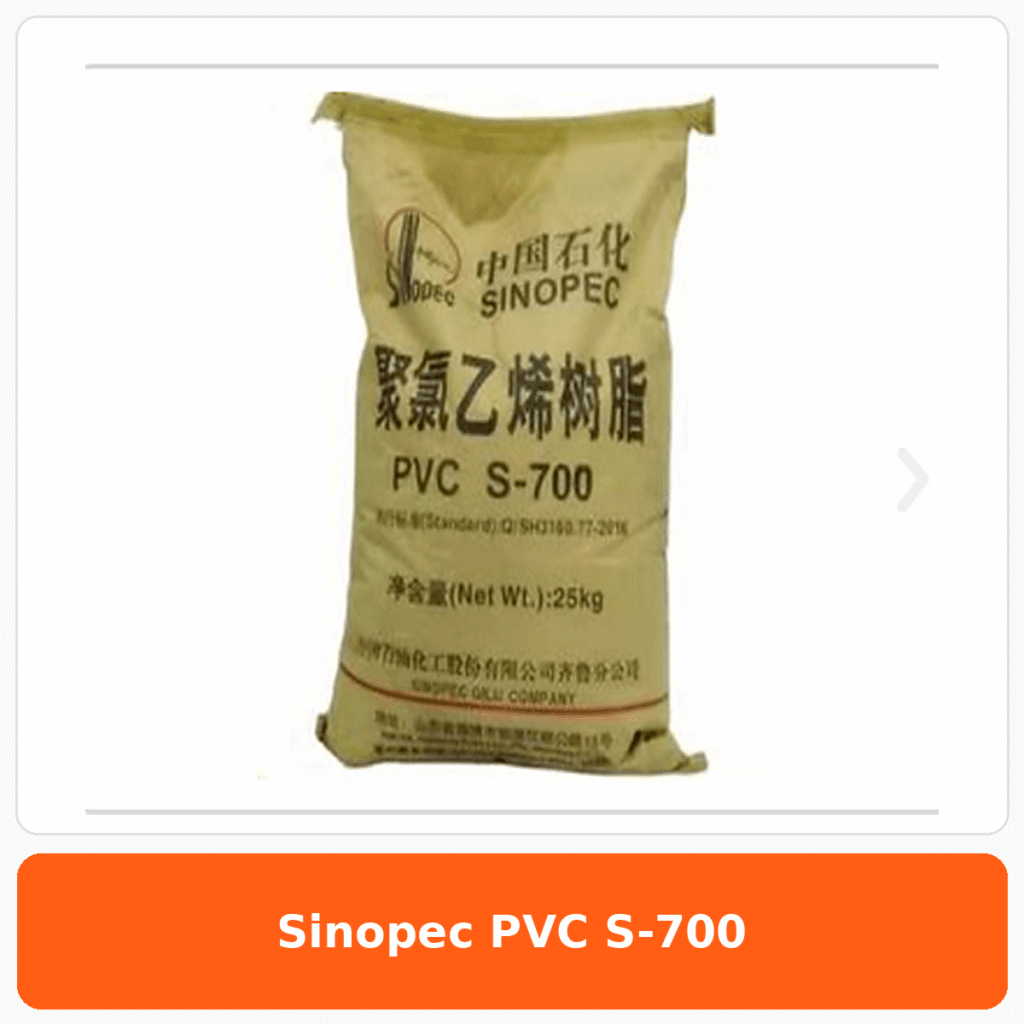
Sinopec S-700 has a relatively low degree of polymerization. It has good processing fluidity, can be easily mixed during the production process, and has a high molding efficiency. This model is widely used in suitable flexible or electrical applications, pipe grade, and can also be used for various plastic products such as thin film, wire harness, pipes, transparent items, fans, and household injection-molding products.
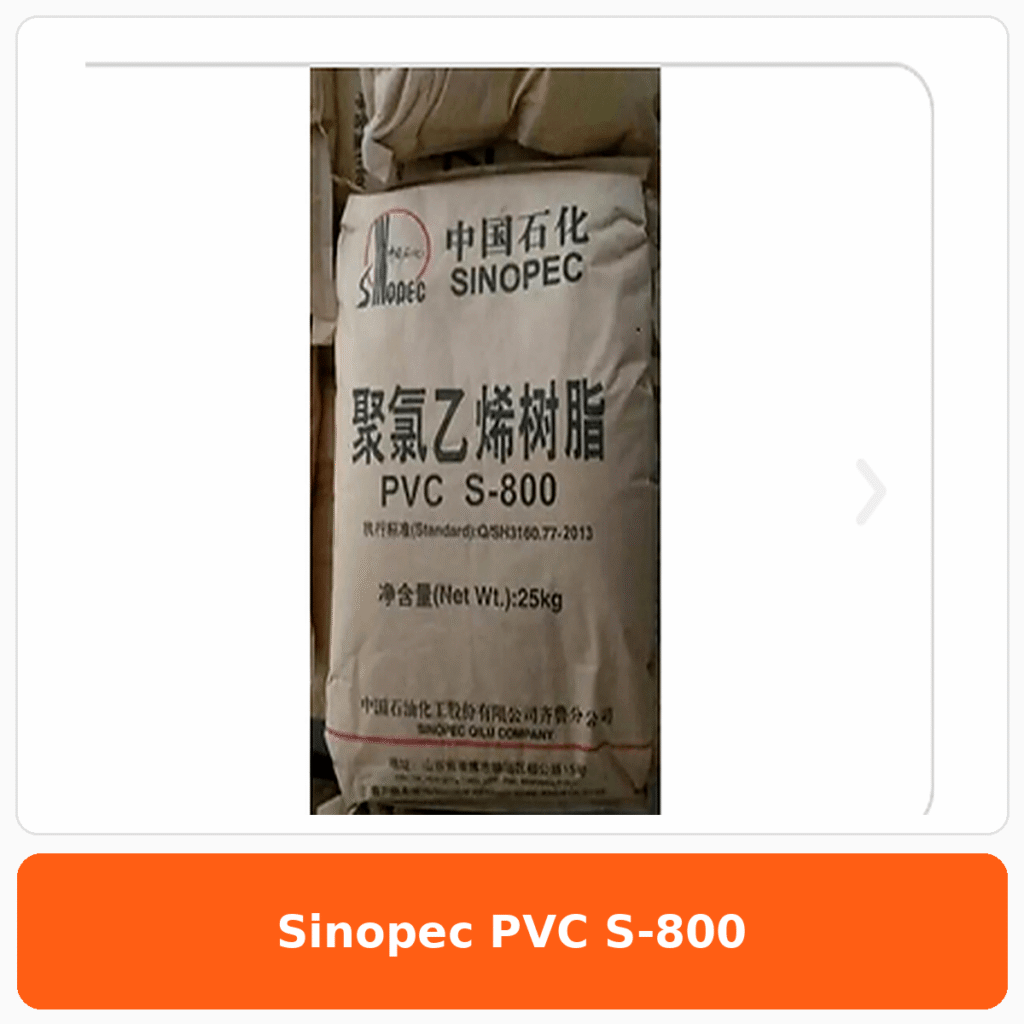
PVC S-800 offers a balanced combination of strength and flexibility, with excellent thermoplasticity, chemical resistance, and electrical insulation. The resin processes well by calendaring, extrusion, or injection molding and is widely used in films, sheets, packaging materials, synthetic leather, and various molded or extruded products requiring a reliable and consistent material.
PVC S-1000 features a moderate degree of polymerization and delivers well-balanced overall performance, combining adequate strength with good processability. It is widely used in the production of PVC pipes, which perform well in product packaging and applications requiring reliable quality.
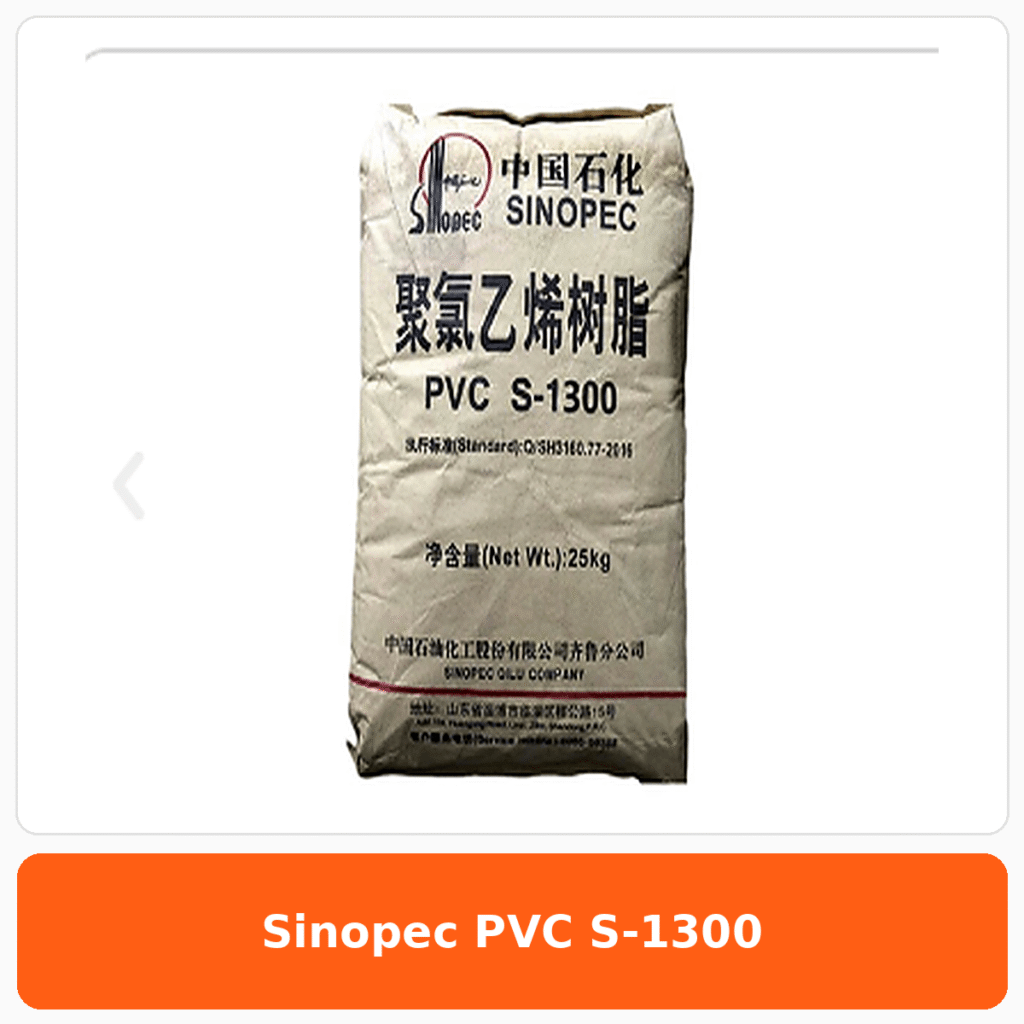
S-1300 is a high-average-polymerization-grade suspension PVC resin produced by Sinopec. It features high molecular weight, excellent mechanical strength, and stable overall performance. The resin offers good resistance to pressure and chemical resistance, along with superior processing flexibility, and can be processed by extrusion, calendaring, injection molding, and other conventional PVC methods. S-1300 is widely used in rigid and cable-insulation applications, as well as in high-strength films, sheets, synthetic leather, and other rigid and flexible PVC products requiring suitable performance.
Item | S-1300 | S-1000 | S-800 | S-700 |
|---|---|---|---|---|
Viscosity (ml/g) | 127u2013135 | 107u2013118 | 87u201395 | 73u201385 |
K value | 71u201372 | 65u201368 | 62u201363 | 58u201360 |
Polymerization degree | 1251u20131370 | 981u20131135 | 741u2013845 | 650u2013750 |
Volatile matter, % | 0.30 | 0.30 | 0.30 | 0.30 |
Bulk density, g/ml | 0.45 | 0.50 | 0.53 | 0.53 |
Sieve residue >0.25 mm, % | 1.0 | 1.0 | 1.0 | 1.0 |
Sieve residue >0.063 mm, % | 95 | 95 | 95 | 95 |
u201cFish eyeu201d number (per 400 cmu00b2) | 10 | 10 | 20 | 20 |
Plasticizer absorption, g/100g resin | 25 | 19 | 16 | 14 |
Whiteness (160u00b0C, 10 min), % | 80 | 80 | 80 | 80 |
Residual VCM, ppm | 1.0 | 1.0 | 1.0 | 1.0 |
u00a0
1. Outstanding corrosion resistance: The material resists a wide range of chemicals, making it suitable for chemical pipelines, construction materials, and other highly corrosive environments. This durability helps reduce maintenance and replacement costs.
2. Superior electrical insulation performance: It offers excellent electrical insulation, making it ideal for wire and cable applications where ensuring safe power transmission and reliable protection is essential.
3. Stable chemical performance: Sinopec PVC maintains consistent performance across various chemical environments, minimizing degradation and supporting long service life. It is widely used in outdoor construction materials, sewage drainage systems, and other demanding applications.
4. Enhanced flame retardancy: Its high chlorine content delivers inherent flame-retardant and self-extinguishing properties, helping reduce fire exposure and improve safety in buildings and public facilities.
5. Flexible processing capabilities: The resin processes easily through extrusion, injection molding, calendaring, blow molding, casting, and thermoforming, enabling the production of a variety of end products for different industries.
Reliable supply and consistent quality: A globally recognized brand, offering stable production capacity and strict quality control to ensure reliable supply and consistent performance.
Broad applicability: The product portfolio covers a wide range of processing methods and meets diverse end-use requirements.
Excellent cost-to-performance ratio: The materials deliver a well-balanced combination of mechanical performance, processing efficiency, and cost competitiveness.
Technical support and expertise: Fengbai provides expertise and support backed by extensive R&D capabilities and deep industry experience.
Suspension polymerization is the mainstream process for Sinopec to produce PVC resin, accounting for about 80% of its total PVC resin production. This process uses water as the dispersion medium to evenly disperse liquid vinyl chloride monomer. In the reactor, pure water, liquefied VCM monomer and dispersant are added in sequence, followed by initiator and other additives. When the temperature rises to a specific range, VCM monomer undergoes free radical polymerization under the action of the initiator and gradually forms PVC particles. Continuous stirring makes the particle size uniform and suspended in water.