+8613879493058
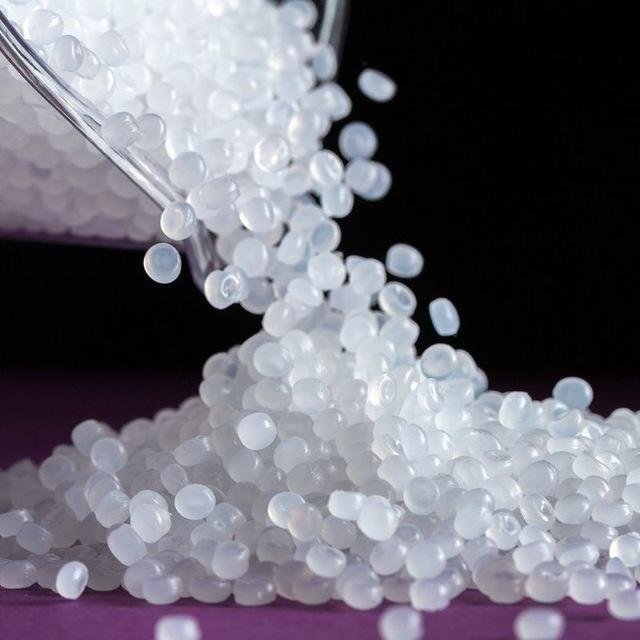
Low-Density Polyethylene (LDPE) is a lightweight and flexible thermoplastic resin, also commonly referred to as high-pressure polyethylene. It typically has a milky-white, odorless appearance and offers excellent flexibility, transparency, and easy processing. LDPE also provides good electrical insulation, moisture resistance, chemical stability, and resistance to many acids, alkalis, and organic solvents.
LDPE has a relatively low melting temperature, which makes it easy to process using various thermoplastic molding techniques. However, its heat-sealing and high-temperature performance are comparatively limited.
As a widely used plastic raw material, LDPE resin is suitable for a variety of applications, including plastic films, packaging materials, injection-molded products, medical and pharmaceutical products, food packaging, blow-molded products, and hollow containers. Its combination of flexibility, durability, and good processing performance makes it a popular choice across many industries.
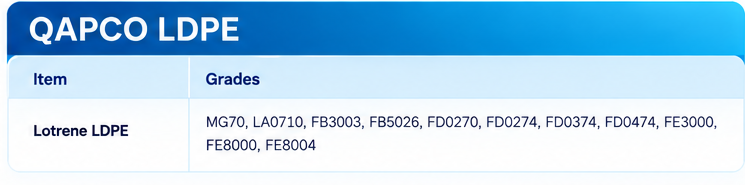
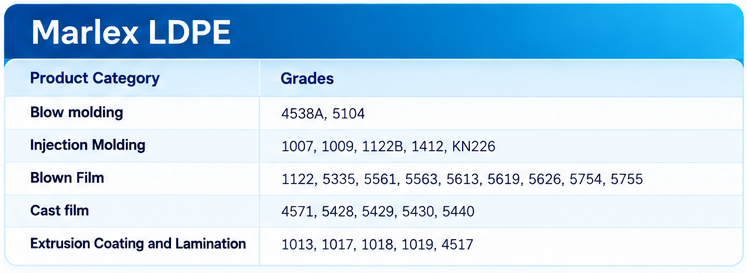
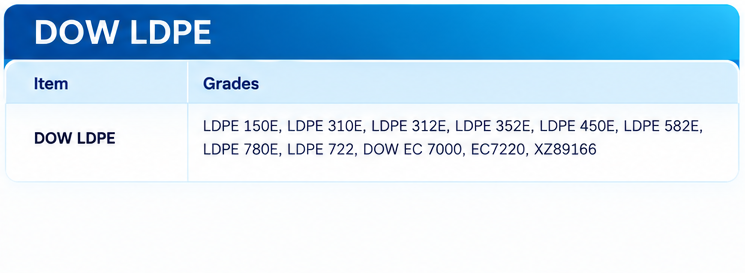
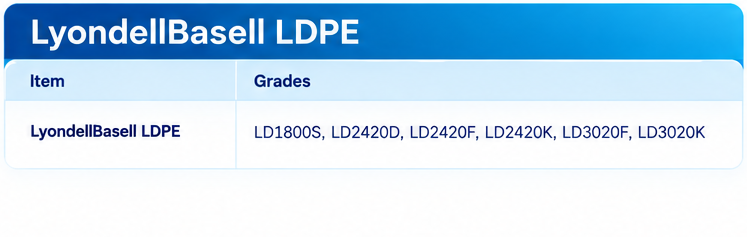
Packaging field. The LDPE resin has become the preferred material in the packaging industry due to its good softness, elongation and chemical corrosion resistance. It is widely used in food packaging, such as plastic bags, cling film, candy bags, etc., to ensure the safety and hygiene of food. In addition, LDPE resin is also used to manufacture garbage bags, daily necessities packaging and other packaging products.
Agriculture. In the agricultural field, films made of LDPE resin (such as greenhouse films and ground films) are widely used. These films have good light transmittance, heat preservation and moisture resistance, and can effectively improve the yield and quality of crops. At the same time, LDPE resin films can also be used for soil moisture retention, weed control and prevention of pests and diseases.
Cables and insulation materials. This resin has excellent electrical insulation properties and good processing properties, so it is widely used in the insulation layer and sheath of cables. In addition, LDPE granules can also be used to manufacture insulation materials for various electrical equipment to ensure the normal operation of electrical equipment.
Daily consumer goods. LDPE resin is also widely used in the manufacture of daily consumer goods. For example, the manufacture of various plastic bottles, barrels, containers, lids, etc., as well as toys, stationery and other products cannot be separated from LDPE resin. These products are popular among consumers because of their lightness, durability, and easy processing.
Automotive industry. In the automotive industry, LDPE resin is used to manufacture various interior parts, such as seats, door panels, dashboards, etc. These parts need to have good flexibility, wear resistance, and corrosion resistance, and LDPE resin just meets these requirements. In addition, LDPE resin can also be used to manufacture parts such as automotive wiring harness jackets.
Construction industry. LDPE resin is used to manufacture pipes, waterproof materials, thermal insulation materials, etc. For example, LDPE pipes are widely used in water supply and drainage systems because of their corrosion resistance, wear resistance, and easy installation. In addition, LDPE resin can also be made into waterproof materials for waterproof projects such as roofs and basements.
Medical field. LDPE low density polyethylene resin is also increasingly used in the medical field. It is used to manufacture medical devices, infusion tubes, infusion bags and other medical supplies. Because LDPE resin has the characteristics of non-toxicity, odorlessness, and corrosion resistance, it can meet the strict requirements of medical devices.
LDPE resin exhibits excellent softness and extensibility due to its lower molecular weight and wider molecular weight distribution. This makes it very suitable for manufacturing products that require good flexibility and extensibility, such as packaging films, cable sheaths, and geomembranes.
The LDPE resin has good chemical corrosion resistance to most acid, alkali, and salt aqueous solutions. This makes it perform well in environments that require long-term contact with chemicals, such as linings, pipelines, and storage tanks of chemical equipment.
This resin is an excellent electrical insulation material with a low dielectric constant and dielectric loss. It can be used in the insulation layer of wires or cables to ensure stable transmission of current.
The resin has good transparency, especially in film products, which can clearly show the appearance of the packaged items. This makes it widely used in food packaging, medical packaging and other fields.
LDPE resin has excellent processing performance and can be processed into products of various shapes and sizes through various molding methods (such as extrusion, injection molding, blow molding, etc.). At the same time, it has good fluidity and is easy to fill the mold, improving production efficiency.
Compared with other polyethylene resins, LDPE low density polyethylene resin can still maintain good toughness at low temperatures. This allows it to maintain good performance in cold environments, such as cable sheaths and pipes in low temperature environments.
LDPE resin has low permeability to water vapor and oxygen, which makes it widely used in packaging fields that require moisture-proof and fresh-keeping (such as food, medicine, etc.).
LDPE low density polyethylene is not easy to crack when subjected to external forces and has good stress cracking resistance. This makes it perform well in products that need to withstand certain pressure or stress, such as geomembranes, pipes, etc.
LDPE resin is a non-toxic and odorless material that meets the requirements of food safety and medical hygiene. Therefore, it is widely used in food packaging, medical devices and other fields.
LDPE resin is a recyclable material that can be recycled and reused after reprocessing to reduce pollution to the environment. At the same time, its production process is relatively environmentally friendly and meets the requirements of sustainable development.
The production process of LDPE resin is mainly divided into high pressure method and low pressure method. The high pressure method refers to the polymerization of ethylene monomer into LDPE under high pressure. The low-pressure method refers to the polymerization of ethylene monomer into linear low density polyethylene (LLDPE) under low pressure, and then it becomes LDPE through post-processing.
In the process of producing low density polyethylene LDPE by high pressure method, a high pressure reactor is required. First, ethylene monomer and catalyst are fed into the reactor, and then polymerization is carried out under high pressure. After the reaction is over, the reactant is cooled and decompressed to obtain LDPE granules. These granules can be processed into various plastic products.
In the process of producing LDPE by low pressure method, ethylene monomer and catalyst need to be added into the reactor first, and then the polymerization reaction is carried out under low pressure. After the reaction is finished, LLDPE particles are obtained. These pellets need to undergo post-processing, including steps such as heating, compression and stretching, to make them into LDPE granules. And these granules can be processed into various plastic products.